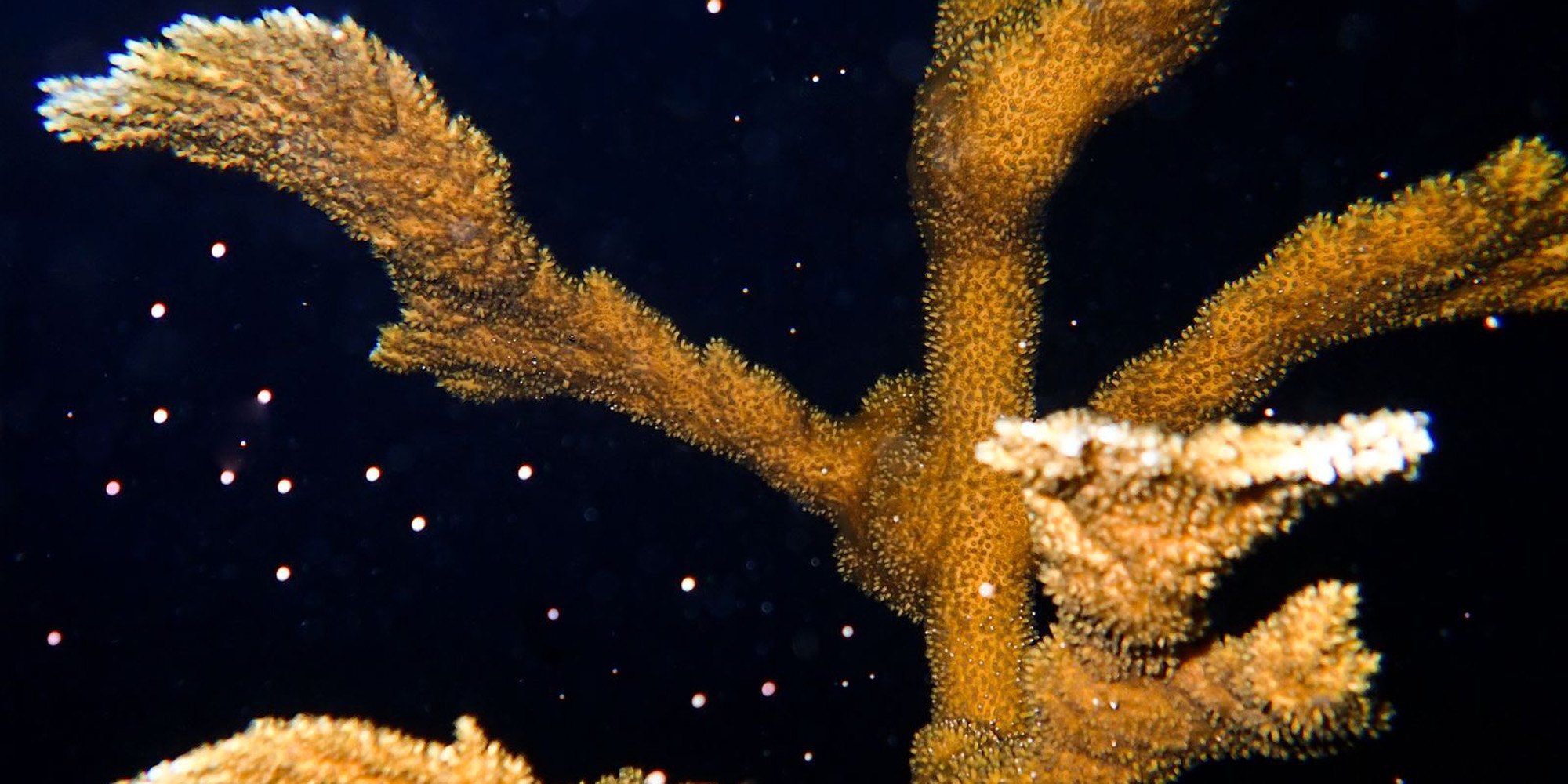
Twenty thousand elkhorn coral larvae will grow at the Florida Aquarium's Apollo Beach facility after a statewide spawning effort the aquarium described as potentially one of the largest coral conservation collaborations in Florida.
Statewide effort produces record number of larvae
The Florida Aquarium announced Friday that four of its coral experts joined 11 other scientific and conservation organizations over 12 nights in the Florida Keys to collect eggs and sperm from elkhorn coral colonies. The colonies were grown by Reef Renewal USA in an ocean-based nursery offshore of Tavernier in the Upper Keys.
The result: 61,000 elkhorn coral larvae and 101 new genetic crosses, including parent combinations that had never been attempted. Of those larvae, 20,000 will continue growing at the Florida Aquarium's Coral Conservation and Research Center in Apollo Beach.
Species faces steep odds in the wild
The stakes are steep. Fewer than 25 unique wild elkhorn coral colonies remain across Florida's reef, and the species has been declared functionally extinct in the wild, according to the aquarium.
"These are new combinations of genes that have never existed before," said Keri O'Neil, director and senior scientist of the aquarium's Coral Conservation Program. "Some come from parents that showed incredible resilience during extreme heat, others that were never able to make offspring before on their own."
Scientists study coral resilience to ocean heat
Some of those parent corals survived the 2023 marine heat wave without bleaching and withstood another hot summer in 2024. Scientists plan to study whether those resilient traits can be passed to future generations.
Grant funds multiyear coral restoration initiative
The effort was backed by a four-year grant from the National Oceanic and Atmospheric Administration for the Re5 initiative, short for Resilient Reef Research, Rescue and Restoration. Scientists collected gametes at offshore nurseries near Key Largo and transported them to a temporary laboratory at John Pennekamp Coral Reef State Park, according to a University of Miami report published Aug. 21.
Larvae to be raised, then returned to reefs
Additional larvae from the collaboration went to Mote Marine Laboratory, The Reef Institute and the University of Miami. The partner organizations plan to nurture the larvae and, within two years, return the new corals to nurseries before transplanting them to permanent reef sites in the Florida Keys National Marine Sanctuary and the Kristin Jacobs Coral Aquatic Preserve.
Apollo Beach facility has bred coral since 2020
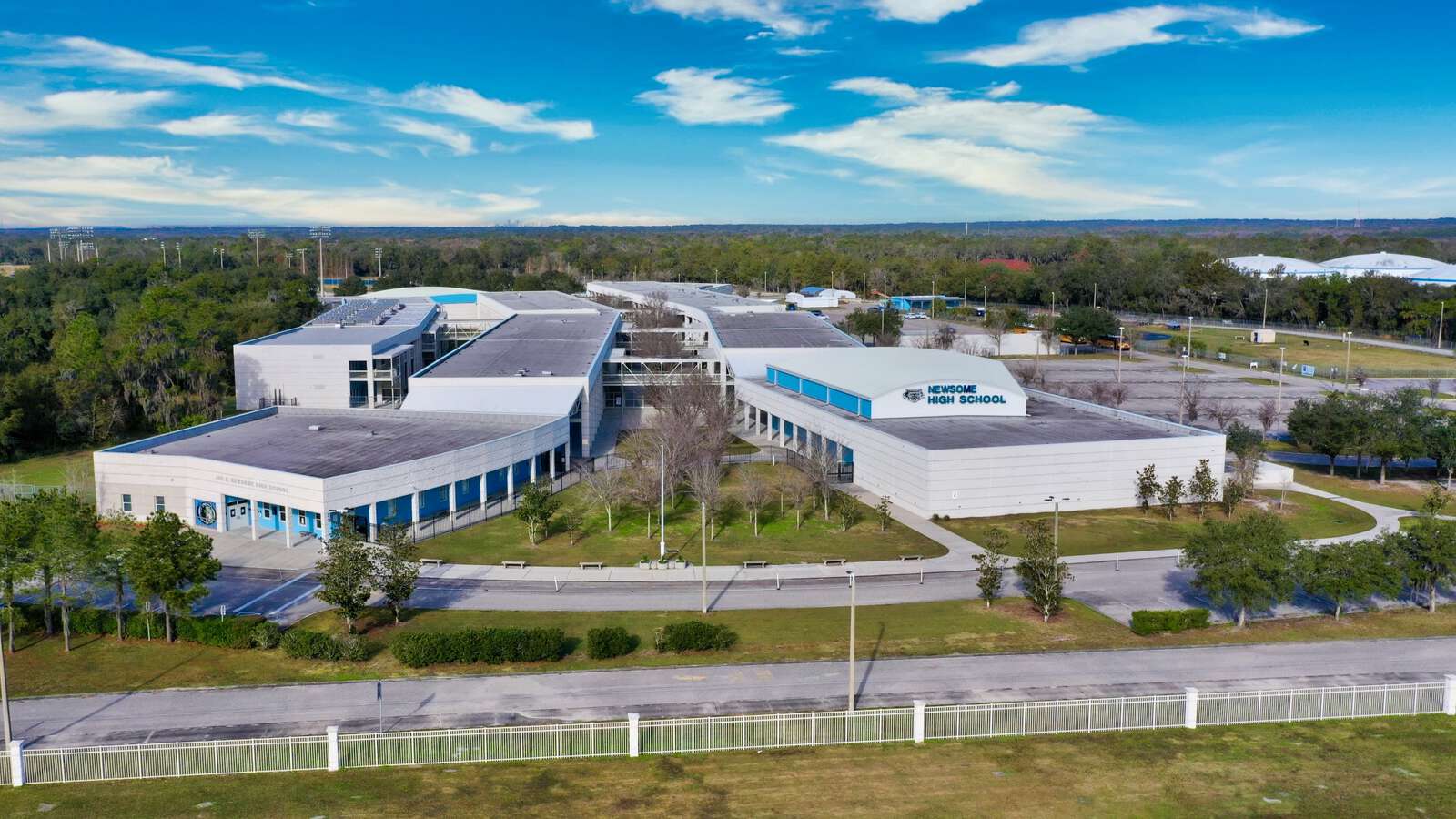
The Apollo Beach center has been at the heart of the aquarium's reef work since large elkhorn fragments first arrived there in 2020 to start a laboratory breeding program. The facility has spawned 14 coral species and provided more than 50,000 young corals for restoration across Florida.
Ten organizations joined the conservation effort
The collaboration brought together the University of Miami, Reef Renewal USA, Mote Marine Laboratory, The Reef Institute, SECORE International, the Phillip and Patricia Frost Museum of Science, Nova Southeastern University, Smithsonian Marine Station, Biscayne National Park and AECOM.
Warmer waters raise concerns for 2027
El Niño conditions are driving elevated water temperatures across Florida's reef in summer 2026. The aquarium said warmer conditions expected in 2027 could put additional stress on already vulnerable coral populations.


.webp)
.jpg)