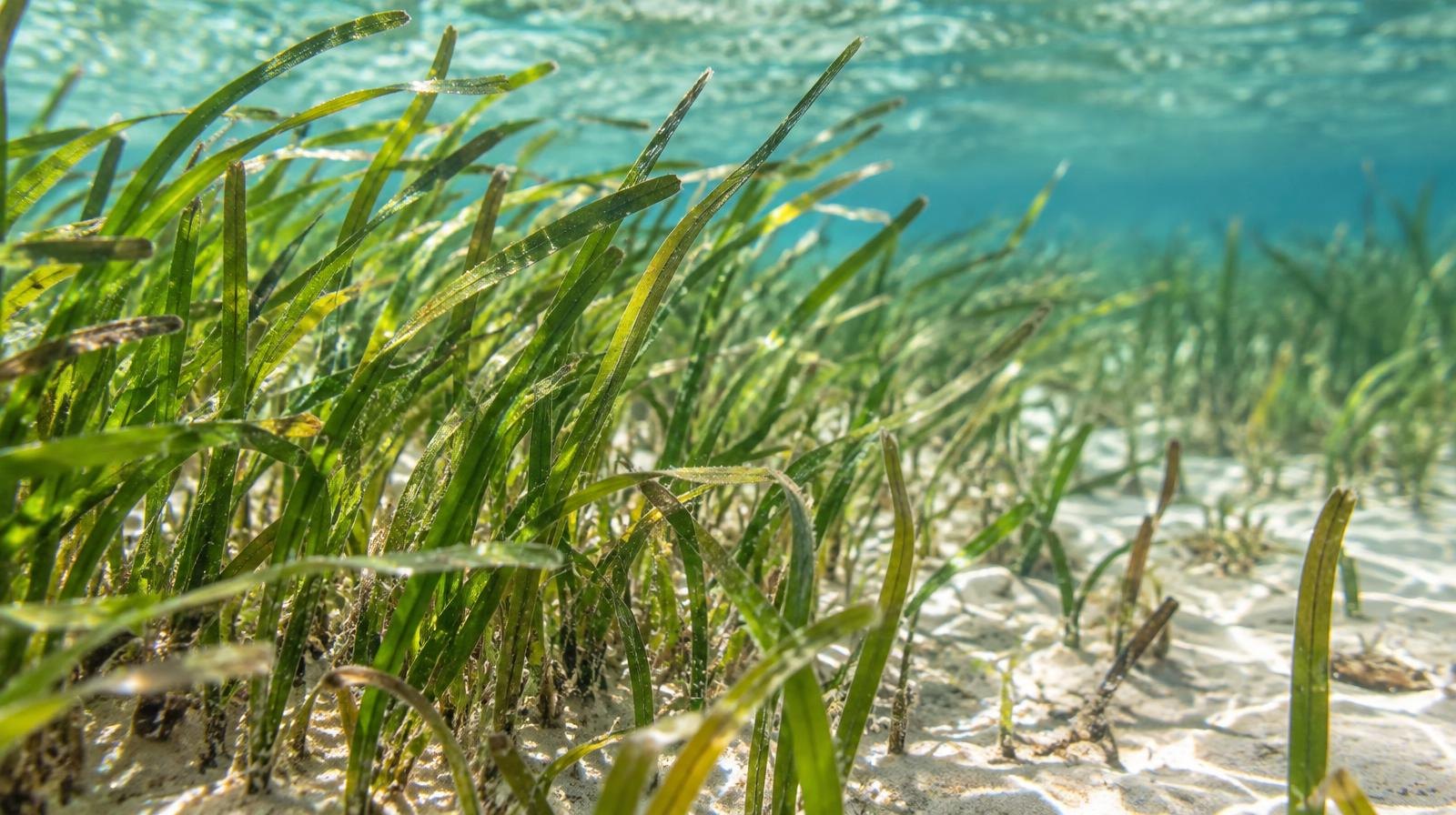
State scientists have planted about 2,000 nursery-grown turtle grass plants at restoration sites in Tampa Bay since 2022, using techniques developed in a St. Petersburg lab.
The Florida Fish and Wildlife Conservation Commission's Fish and Wildlife Research Institute (FWRI) grew the plants in its seagrass ecology lab and placed them in bay waters to test whether the method can scale up, Spectrum Bay News 9 first reported. The goal is to develop a restoration technique other agencies and organizations can adopt, according to the FWRI's Facebook page.
For Apollo Beach and Ruskin boaters and anglers, the work hits close to home. Seagrass losses affect water quality, biodiversity and the survival of species like manatees, according to the FWC. Decades of monitoring have documented both die-offs and signs of recovery statewide.
Inside the FWRI lab, tanks hold samples collected on field trips around Florida. Researchers are compiling data on three main seagrass types, including turtle grass, a climax species found throughout Tampa Bay.
Allison Patranella, an FWRI research associate, described turtle grass as having long, strap-like blades, calling it the linguine of seagrass. She said Tampa Bay has abundant turtle grass and high reproduction rates for the species.
Research assistant Diana Daniels said understanding seedlings and fruit helps the lab advise other organizations on what to look for when choosing plants to restore. The lab puts seedlings into ovens to measure how long they survive heat exposure on a sunny beach.
The lab's broader research, including those stress tests, informed the techniques behind the 2,000 plantings. Turtle grass is the largest subtropical seagrass species in the Atlantic, identified by its broad, flat leaves. In the Gulf of Mexico, it can outcompete other seagrasses and dominate a meadow, according to the FWC.
Patranella urged boaters to do their part. "Next time you're out on a boat, if you're near a seagrass bed, please go slow and trim up your motor so you're not scarring the bed," she said.
The turtle grass seedling season runs from about mid-July through September. Lab members said the most recent season ended in September, so the next collection window opens around mid-July 2027.



.jpg)