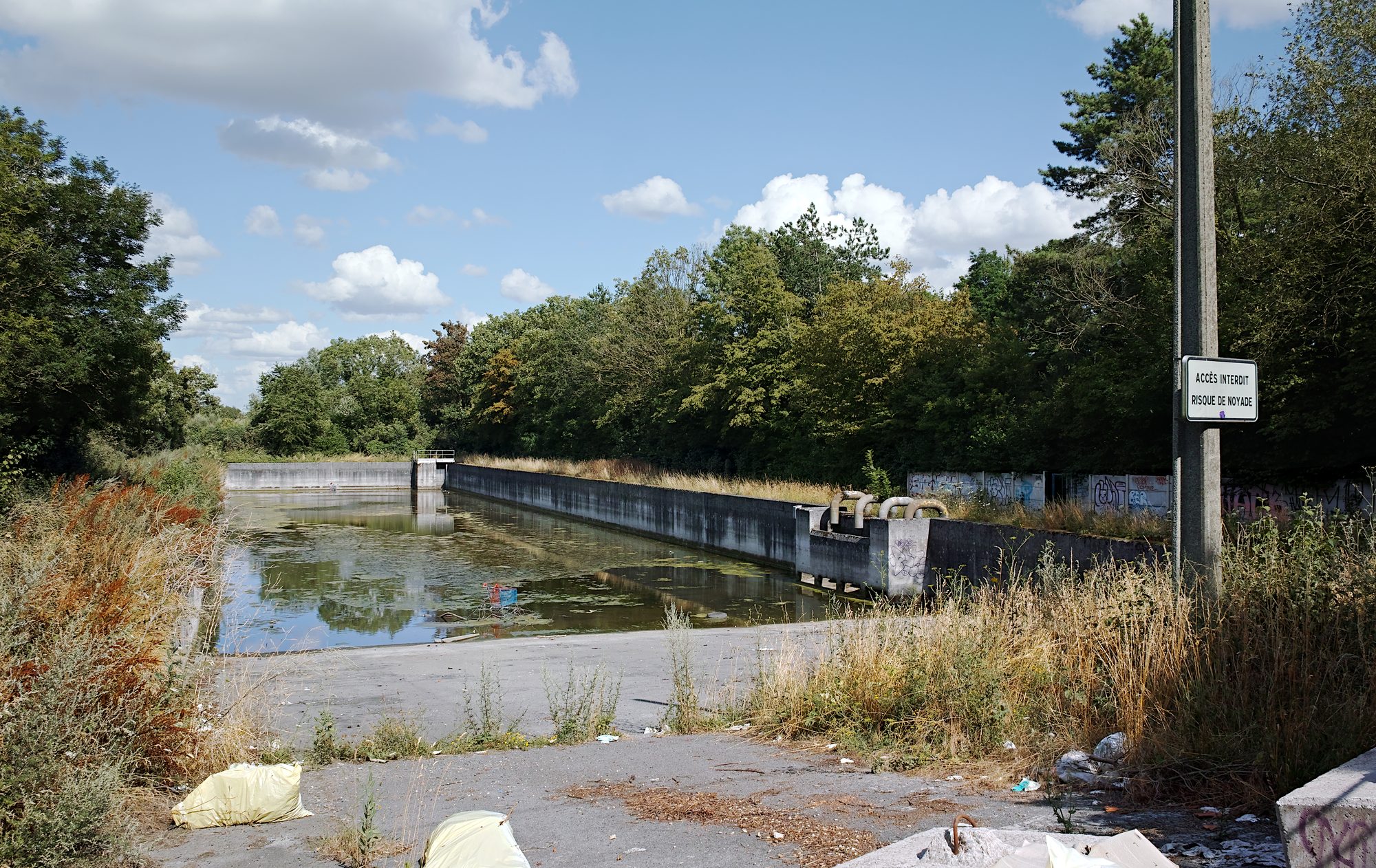
Developers along the U.S. 41 and Interstate 75 corridors in Apollo Beach and Ruskin can purchase nutrient-removal credits generated by automated "smart pond" systems, replacing the need to dedicate land for traditional stormwater ponds on new construction projects. Stormwater remains the single largest source of pollution in Tampa Bay.
How the Credit System Works
Florida-based National Stormwater Trust, or NST, is retrofitting ponds owned by the Florida Department of Transportation, Port Tampa Bay and Port Manatee with automated outfall systems, or AOS. The upgrades earn tradeable stormwater credits that developers in Hillsborough, Pinellas and Manatee counties can buy to meet treatment requirements, Bay Soundings reported.
The credit market traces to statewide nutrient performance standards that took effect Dec. 28, 2025. Gov. Ron DeSantis signed the enabling legislation, Senate Bill 7040, on June 28, 2024. The rules require that a project's post-construction nutrient load be equal to or less than its pre-development load. Florida became the first state to adopt such standards when the Department of Environmental Protection, or DEP, finalized the underlying rules in 2023, according to The Florida Bar Journal.
For local builders, the credits offer a direct alternative to on-site stormwater ponds. According to NST, customers who purchase credits can develop their property without setting aside land or capital for ponds and can avoid ongoing maintenance costs.
Ponds Adjust Automatically Ahead of Storms
The technology works by automating when a pond releases water. Before severe weather, the system drains most of the pond to increase flood capacity. In calmer periods, it holds stormwater longer, letting natural processes remove more nitrogen. NST said a smart pond near Port Tampa Bay captured more than 175,000 cubic feet of stormwater during Hurricane Ian, reducing flooding while filtering pollutants.
Manatee County Runs Its Own Pilot Program
Neighboring Manatee County is testing the same AOS technology at two stormwater facilities along 17th Street East, near Sylvan Oaks. Greg Blanchard, Manatee County's environmental program manager, said early monitoring data is encouraging.
"Some of the early results are really interesting. After a rainfall you see a huge spike in nutrients, and then you see a decline for a week or so as those biological activities work, so we can tell that x amount of nitrogen has been removed from the system," Blanchard told Bay Soundings.
Manatee County purchased six continuous water-quality monitors with leftover Deepwater Horizon settlement funds and installed them at three locations, including Robinson Preserve, which drains directly into Tampa Bay. Final results from the monitoring are still months away. Unlike NST, Manatee County plans to apply its credits toward nitrogen-loading limits under the Tampa Bay Estuary Program's Reasonable Assurance Program rather than selling them.
Thousands of Older Ponds Remain Unregulated
The new state rules apply only to ponds built after Dec. 28, 2025. Florida's more than 76,000 existing stormwater ponds, spread across residential neighborhoods, are not covered by the stricter standards, according to the Hillsborough Soil and Water Conservation District. Cleaning up nutrients after they reach surface waters is expensive. Street sweeping costs about $189 per pound removed. Specialized media filters can exceed $1,000 per pound.
No Hillsborough County official has commented publicly on how the credit market will affect local permitting in Apollo Beach or Ruskin.
State Rulemaking Deadline Looms
The state Legislature passed Senate Bill 848 during the 2026 session, refining the permitting framework for Water Quality Enhancement Areas and allowing regional stormwater management systems to qualify. DEP must finalize related rulemaking by Oct. 1, according to the Florida Stormwater Association. The agency's first public workshop toward that deadline was scheduled for May 20.


.webp)
.jpg)