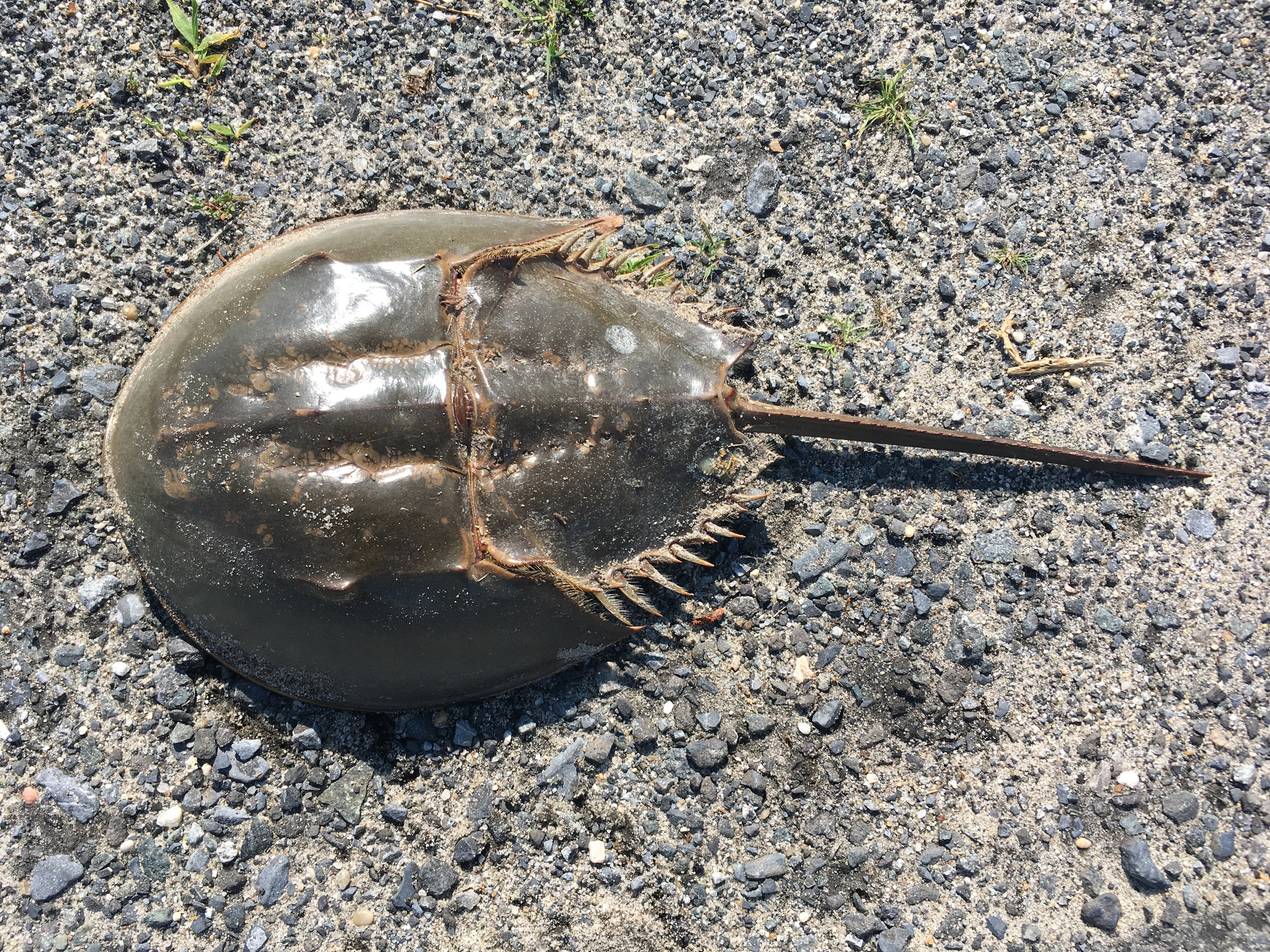
According to the most widely accepted explanation, Spanish explorers saw horseshoe crabs swarming in the shallows south of what is now Ruskin and mistook them for cockroaches. The name stuck. Nearly 50 years after Florida protected those waters, Cockroach Bay Aquatic Preserve remains one of Tampa Bay's last largely undeveloped shorelines and a backyard treasure for South Shore paddlers, anglers and birders.
The preserve covers 4,871 acres of submerged lands, mangrove islands and tidal creeks between Ruskin and the mouth of the Little Manatee River, according to the Florida Department of Environmental Protection (DEP). Its boundary extends 2,000 feet into Tampa Bay from the shoreline. Florida designated it an aquatic preserve on July 1, 1976, and classified it as an Outstanding Florida Water on March 1, 1979.
The naming origin was detailed in a recent Observer News feature, which noted that horseshoe crabs are more closely related to spiders than to insects.
The bay holds one unusual legal distinction: It is the only aquatic preserve in Florida whose submerged lands are not owned by the state. Hillsborough County's submerged lands were ceded to the Tampa Port Authority, requiring a long-term lease for the preserve to function.
Restoration Turned Old Shell Pits Into Protected Wetlands
Before the preserve looked the way kayakers see it today, portions of the land served as ranches and sites for logging and shell-mining operations. Hillsborough County purchased 875 acres through its Environmental Lands Acquisition and Protection Program in 1991 and launched a 20-year restoration effort with the Southwest Florida Water Management District.
Construction began in 1996. By the time the final phase was completed in 2012, crews and more than 2,500 community volunteers had restored 500 acres of habitat, including 220 acres of uplands and 280 acres of wetlands, according to a University of South Florida presentation on the project. Partners included Tampa Bay Watch, AmeriCorps, the Tampa Port Authority and the U.S. Army Corps of Engineers.
The final step involved filling two former shell pits with funding from the Tampa Port Authority, Hillsborough County confirmed.
Dolphins, Crocodiles and 260 Bird Species Call the Preserve Home
Bottlenose dolphins, West Indian manatees, river otters, American alligators and even the rare American crocodile inhabit the preserve's waters. Snook and redfish congregate along the mangrove shorelines. More than 260 bird species have been recorded at the combined aquatic and nature preserve site, including roseate spoonbills, reddish egrets and rarities such as the fork-tailed flycatcher, according to the Great Florida Birding Trail.
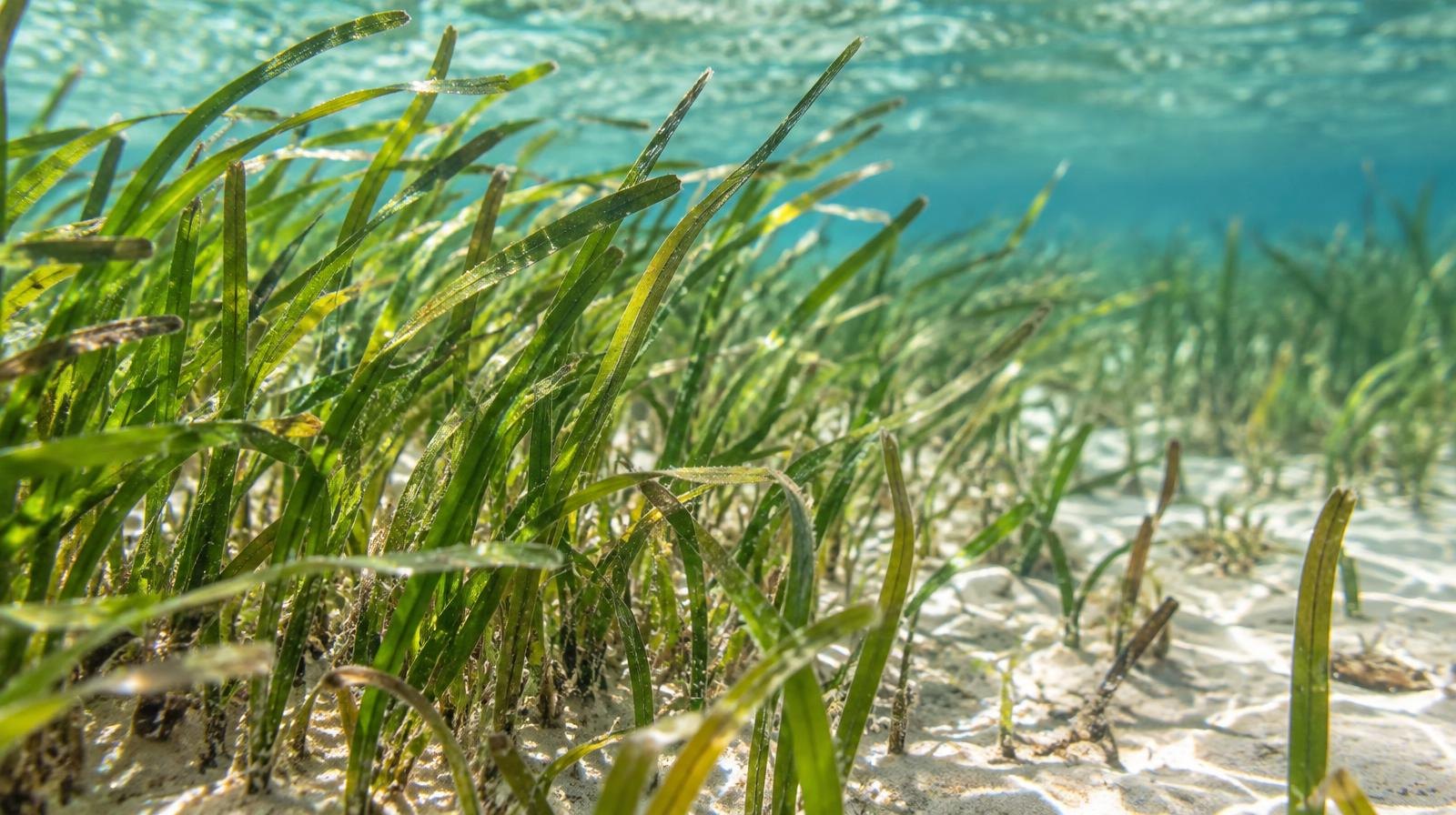
Seagrass beds are protected, and boaters who damage seagrass can face fines of up to $1,000.
Paddling Trails and Hiking Access Are Free Year-Round
The preserve is open year-round from dawn to dusk, with no entrance fee. Paddlers can launch from the boat ramp at the west end of Cockroach Bay Road and follow two marked routes: the Horseshoe Crab Canoe Trail heading south and the Snook Canoe Trail heading north. The boat ramp at E.G. Simmons Park to the north also provides access.
Hikers can enter the upland nature preserve at 3839 Gulf City Road in Ruskin. A short trail leads to "Mount Cockroach," a vantage point with unobstructed views of the restored landscape and Tampa Bay beyond.
Preserve manager Randy Runnels notes on the DEP's preserve page that local knowledge matters on the water because depths are extremely shallow outside the marked channels.
No Cleanup Dates Set, But Volunteer Sign-Ups Stay Open
No specific volunteer cleanup dates were listed as of Aug. 20. Residents interested in shoreline cleanups, mangrove-island restoration or donations can check the Friends of Tampa Bay Aquatic Preserves at tampabayaquaticpreserves.org for the current schedule.

.jpg)