Florida shoppers are turning to local farms and produce markets after a cyclosporiasis outbreak linked to imported iceberg lettuce sickened thousands across the country this summer.
The U.S. Centers for Disease Control and Prevention (CDC) reported nearly 20,000 cases of cyclosporiasis nationwide from May through August, with about 13,000 tied to iceberg lettuce from Taylor Farms de Mexico, WUSF reported. About 500 of those cases were in Florida.
Taylor Farms de Mexico recalled all iceberg lettuce sourced from central Mexico on July 17, according to the CDC. The agency declared the outbreak over on Sept. 11, noting that infections had dropped from more than 1,000 per day at the peak to fewer than two per day in August.
But the scare left a mark. WUSF reported that some Florida consumers remain reluctant to buy greens at grocery chains and have shifted to local markets instead.
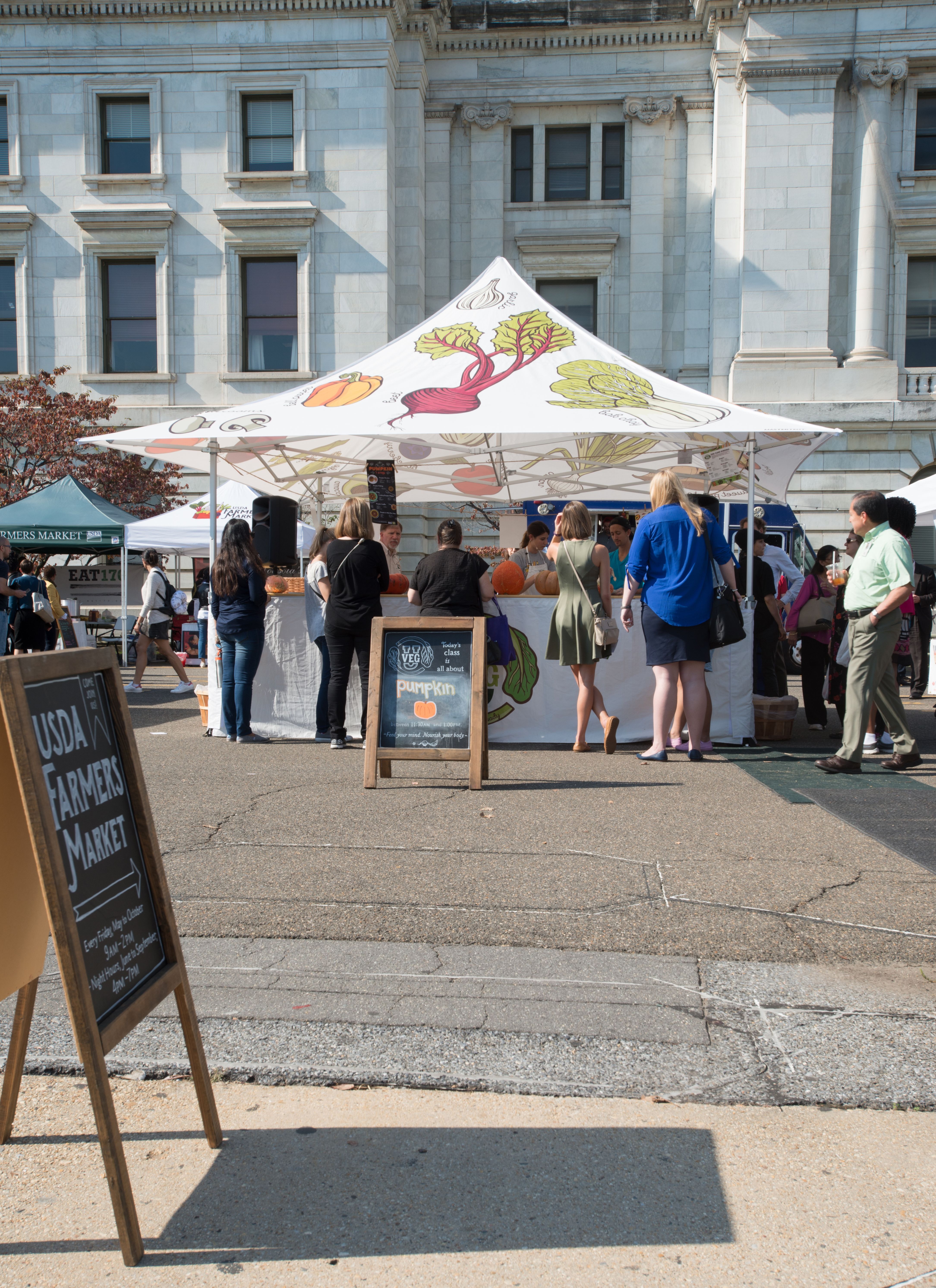
Anastasia Garcia, market manager at Rockledge Gardens in Brevard County, told WUSF that locally sourced greens have been selling out since the recalls began. "There's a level of accountability, just human to human, that exists when you are buying from someone in your community," Garcia said.
Whether that same wave has reached Ruskin's farm stands is unclear. No local grower has spoken publicly about a sales change tied to the outbreak. But the area's agricultural roots run deep, and several markets are active heading into fall.
Ruskin's local options
Council Growers Sod Farm, at 3226 24th St. SE in Ruskin, hosted its inaugural Council Farmers Market on Oct. 10 with free admission and 20 to 25 vendors selling fresh produce, locally raised poultry, seafood, honey and more, according to The Observer News. Owners Travis and Amber Council have longstanding agricultural ties to Ruskin. Travis Council and his father, Pat, began growing sod there in 1997.
Ruskin Fresh Market, a monthly indoor vendor market, held its Oct. 18 event with more than 30 local vendors and food trucks, according to a post on Facebook.
The trend toward more produce stands in Hillsborough County predates the outbreak. Bay News 9 reported in January that more residents were growing surplus food and opening small stands. Monica Petrella, food system program coordinator with the University of Florida's Institute of Food and Agricultural Sciences (UF/IFAS), said the growth gives communities more control over their food supply.
Meanwhile, Ruskin's farming footprint has been shrinking. The Daytona Beach News-Journal reported that Florida lost 2,887 farms and 30,331 acres of farmland to developers between 2017 and 2022. Ruskin still calls itself the "tomato capital" and holds its annual Ruskin Tomato & Heritage Festival, but many of its tomato fields have been replaced by residential subdivisions.
Kevin Murphy, a University of Central Florida professor of restaurant management, told WUSF that the outbreak stood out because the Cyclospora parasite was unfamiliar to most consumers. He noted that the Food and Drug Administration's (FDA) budget decreased by $271 million for the 2026 fiscal year, making international farm inspections harder to carry out.
Even after the CDC declared the outbreak over, 23 additional cyclosporiasis cases were reported across 13 Florida counties, according to a state Department of Health database cited by WUSF. The CDC has noted that case reports can lag symptoms by about six weeks.
Upcoming community events
Ruskin Seafood Festival: Nov. 14-15 at E.G. Simmons Park. Free admission and parking. Hosted by the Greater SouthShore Chamber of Commerce, with more than 20 food vendors, live music and a sensory-friendly area. Saturday, 10 a.m. to 5 p.m.; Sunday, 11 a.m. to 5 p.m.
Council Growers Sod Farm: Next scheduled event is Cookies with Mrs. Claus on Dec. 5 at 3226 24th St. SE, Ruskin.