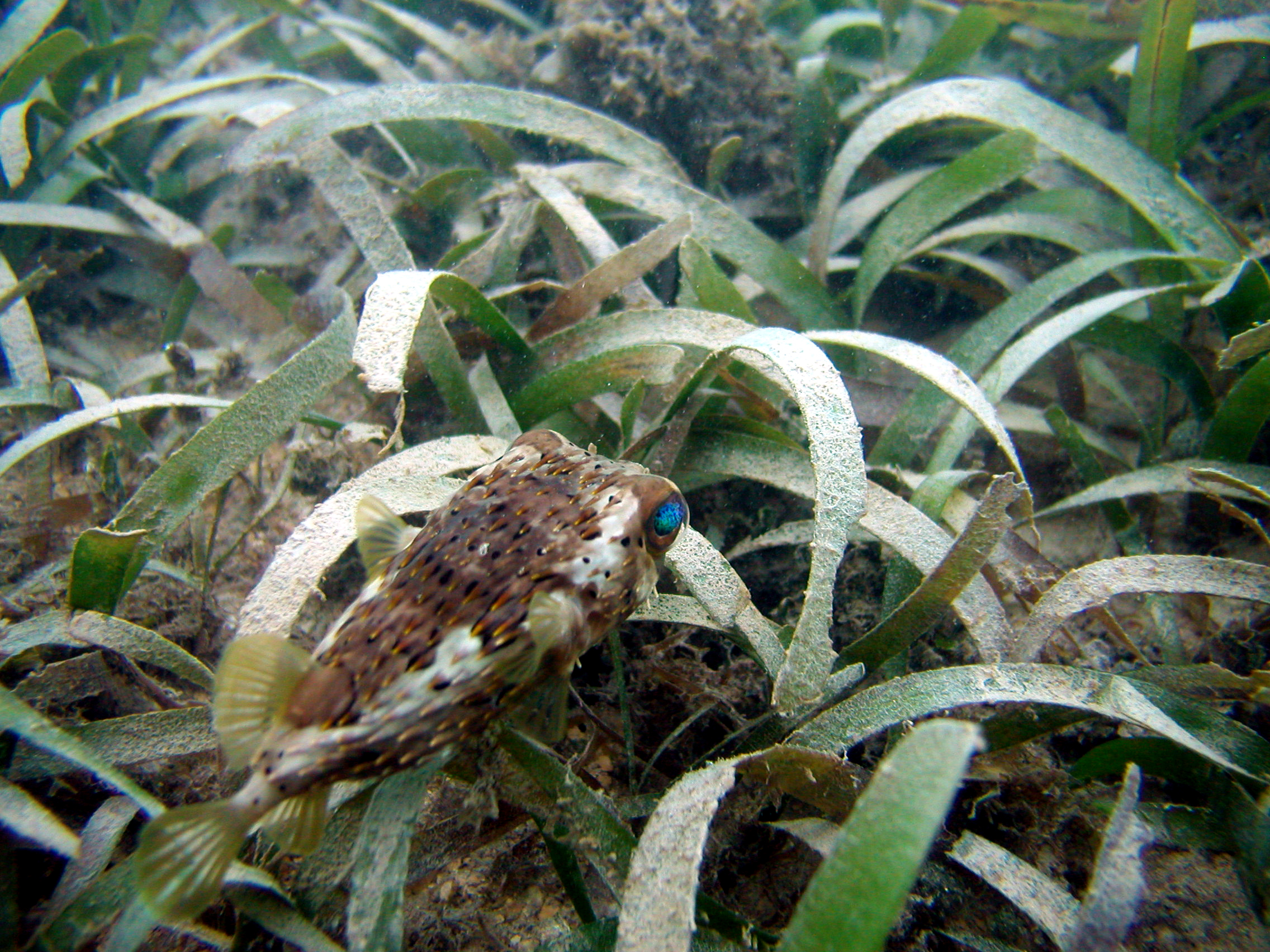
Scientists are dropping temperature sensors into Old Tampa Bay to find out whether water above 90 degrees Fahrenheit is harming the seagrass that local anglers and boaters depend on.
The Tampa Bay Estuary Program (TBEP) launched a five-year study Tuesday, Sept. 15, deploying data loggers from Gandy Park South into shallow seagrass meadows. Maya Burke, TBEP's assistant director, told Bay News 9 the team is already seeing temperatures at or above the 90-degree threshold in the bay.
Why the 90-Degree Mark Matters
The threshold matters. Burke said water that warm can slow seagrass recovery, stunt growth or cause die-offs.
Inside the Data Logger Deployment
Each deployment drops six loggers: three anchored in seagrass beds and three in bare areas without grass. The metal-anchored devices record temperature continuously. Researchers later snorkel out, unscrew the anchors from the bay floor and download the data to phones on the boat.
"It's basically like an Easter egg hunt for grown-ups, for scientists," Burke said.
The study focuses on super-shallow waters because they heat up faster than deeper areas. The loggers also measure salinity, which relates to water circulation and overall water quality.
What's at Stake for Local Residents
For Apollo Beach and Ruskin residents, the stakes are direct. Seagrass stabilizes sediments, stores carbon, breaks up wave energy and serves as nursery habitat where juvenile fish shelter and grow before heading into the Gulf of Mexico, according to Burke.
A Longtime Volunteer Lends a Hand
Volunteer Harry Cunningham, a fifth-generation Floridian who joined TBEP 20 years ago, piloted the boat during the deployment. He has logged hundreds of hours on marine-life work with the program.
A Recovery Story Decades in the Making
Burke said community investment in wastewater treatment helped the water get so clear that by 2016, the bay had as much seagrass as it did in the 1950s. She called that recovery an international success story and said she does not want to see the progress lost.
What Comes Next for the Study
Once the study wraps up, the team plans to determine whether warmer water is causing added stress and, if so, pursue solutions. Residents can follow the study's data through a public portal hosted by TBEP.


.webp)

.jpg)