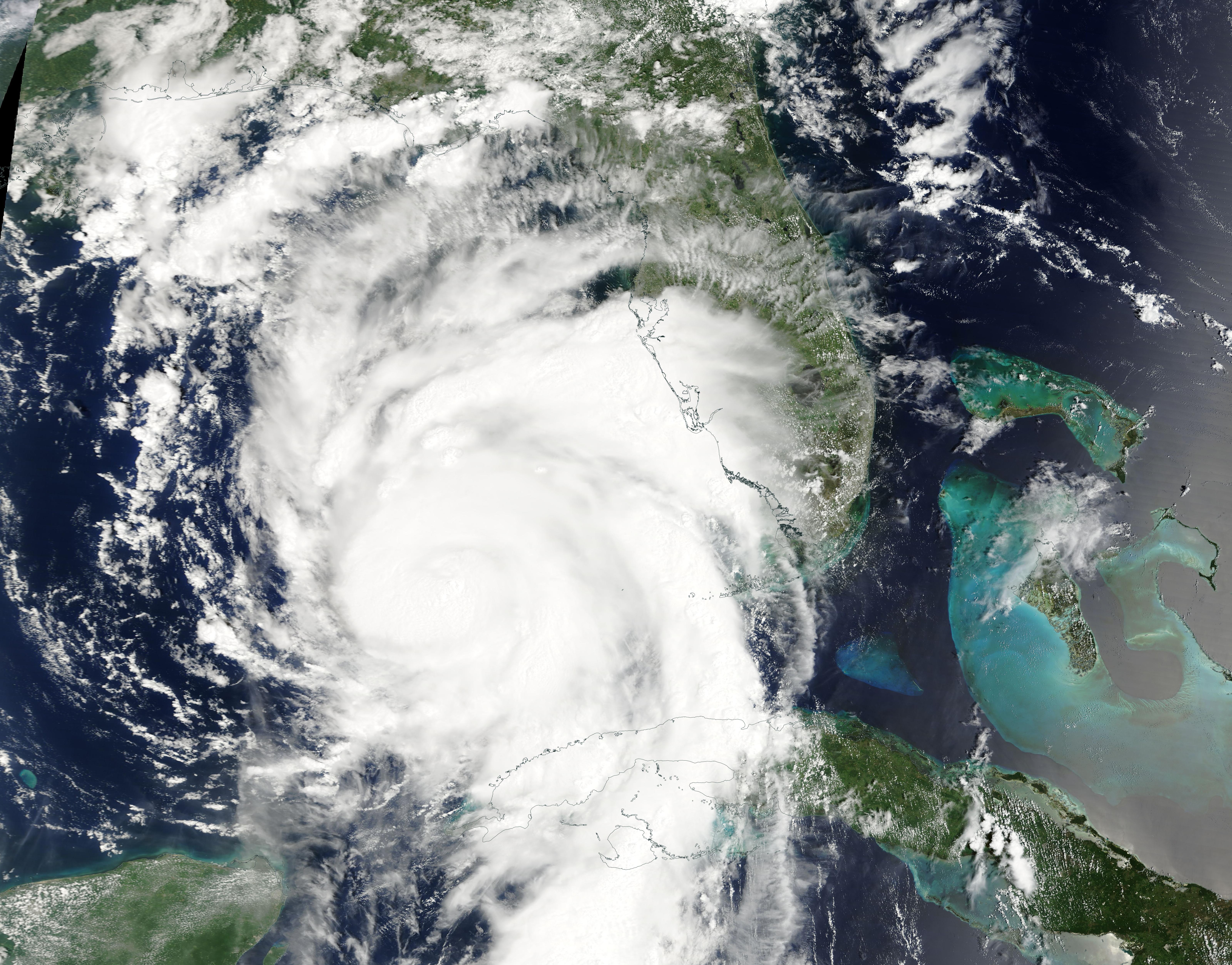
Homeowners across the Tampa Bay metro, including communities along the SouthShore corridor in Apollo Beach and Ruskin, face rising flood risk and climbing insurance costs that a June 2026 Redfin analysis found are driving residents out of flood-prone areas nationwide.
A Tampa Bay Times panel on July 17 convened about 250 people at The Palladium in downtown St. Petersburg to discuss how climate change is altering housing patterns across the region. The event, called "Spotlight Tampa Bay," was moderated by Times environment reporter Max Chesnes and sponsored by the Foundation for a Healthy St. Petersburg. Panelists addressed who can afford to live in Tampa Bay after back-to-back hurricanes in 2024 and what local governments are doing to bolster storm defenses.
$117.7 billion in homes at flood risk
The Tampa-St. Petersburg-Clearwater metro ranked third nationally for total value of homes facing severe or extreme flood risk, at $117.7 billion, according to the September 2025 Realtor.com Housing and Climate Risk Report. That figure represents 25.6% of the metro's total residential market value. Every home in the metro faces severe or extreme hurricane wind risk, representing $459.7 billion in total value, the report found.
Those metro-wide numbers translate into real costs for SouthShore homeowners. The estimated annual insurance premium for a typical Tampa metro home is $6,645, according to the same report. Statewide, the picture is steeper: Florida is the most expensive state for homeowners insurance, with average annual premiums topping $8,000 after an 18% jump in 2025, according to insurance marketplace Insurify. Cotality, formerly CoreLogic, projects premiums will climb another 8% in both 2026 and 2027, according to a December 2025 Realtor.com analysis. Insurance now accounts for a record 9% of typical monthly housing costs.
Residents leaving flood-prone counties
High-flood-risk U.S. counties lost a net 63,357 residents from mid-2024 to mid-2025, nearly double the outflow from the prior year, according to a June 24, 2026, Redfin analysis. In 2024, flood-prone counties collectively posted a net population loss for the first time in five years.
"Affordability is still the primary reason people move, but affordability and climate risk are becoming more tightly linked," Redfin Chief Economist Daryl Fairweather said in the June 24 analysis.
A May 2026 Ipsos survey commissioned by Redfin found that 16% of Americans planning to move within the next year cited natural disaster or climate concerns as a reason. Among those planning interstate moves, the share rose to 21%.
Insurance gap widens
Moody's analysts warned in a June 19, 2026, report that the nation's flood insurance gap is worsening. Some 470,000 National Flood Insurance Program policies were dropped between 2018 and early 2026. Since 2009, 5.6 million policies have left the program.
Firas Saleh, Moody's director of insurance solutions and product management, said at a June 2026 webinar that when flood losses are not covered by insurance, the costs shift directly to households and local governments.
What's next
The nearest forward-looking milestone for local property owners is a November 2026 ballot amendment that would raise Florida's homestead exemption to $250,000 by 2028. If voters approve it, local governments could lose as much as $12 billion a year in revenue, according to Insurance Journal reporting. That lost revenue could affect the storm-defense infrastructure coastal communities depend on.
Residents who want to assess their own flood risk can check FEMA flood maps, though the September 2025 Realtor.com report cautioned that FEMA maps do not account for heavy rainfall or future climate changes, leaving about 2 million more homes nationally at risk than official maps identify.






.jpg)