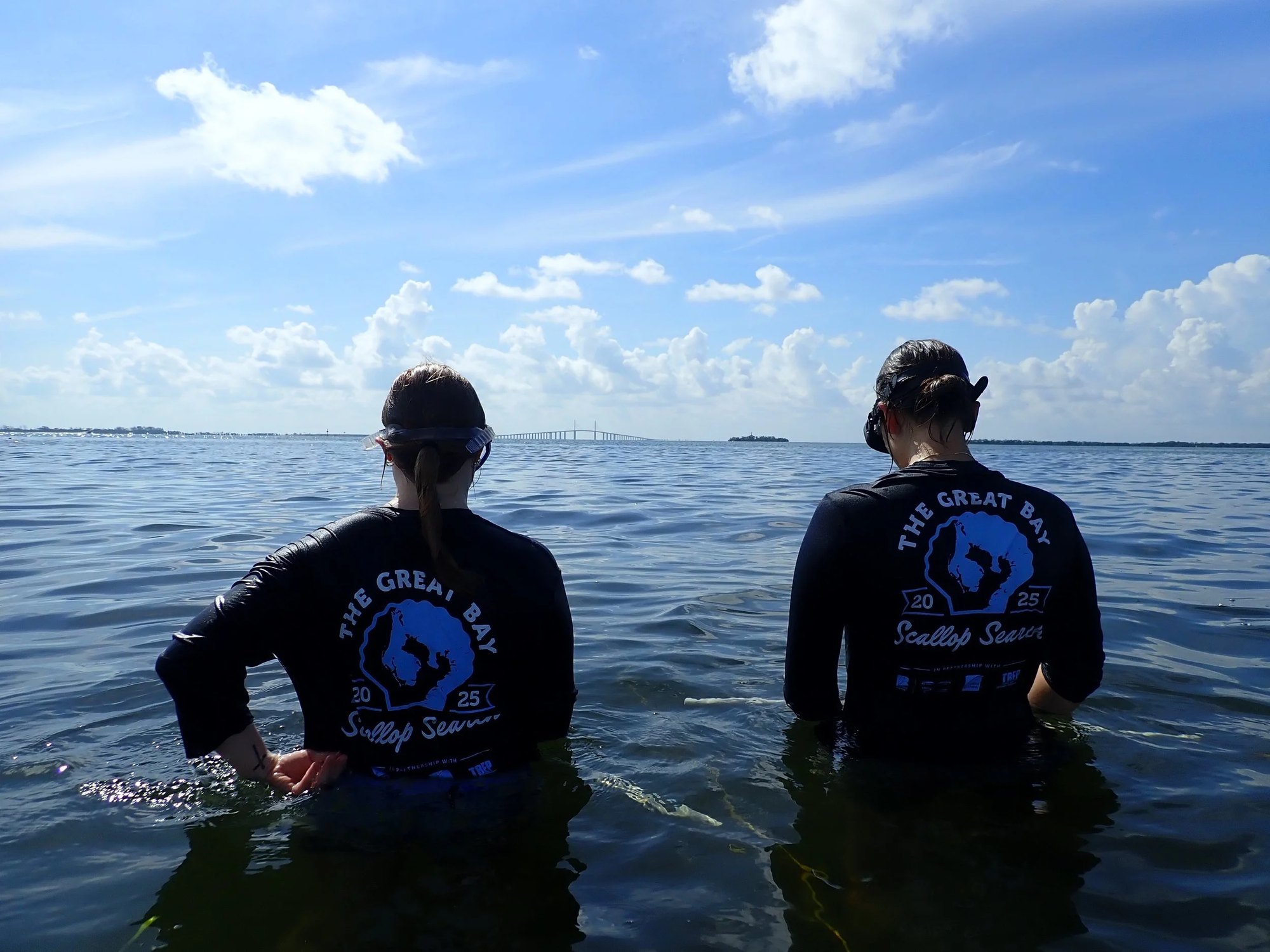
Tampa Bay Watch cancelled its 31st Annual Great Bay Scallop Search on Saturday, August 1, leaving a gap in the decades-long dataset scientists use to track the health of the waters where Apollo Beach and Ruskin residents fish, boat, and swim.
The nonprofit cited "forecasted weather and water conditions" in a Facebook announcement but did not specify whether red tide, a storm system, or another factor prompted the decision.
Tampa Bay Watch did not announce a makeup date.
The cancellation came after all boater and kayaker volunteer spots had filled by late July, according to the Tampa Bay Beacons. The loss means no 2026 count will be added to the Tampa Bay Estuary Program's long-term population tracking dashboard, which scientists and local governments use to monitor bay ecosystem trends. The estuary program is an intergovernmental partnership that includes Hillsborough County.
Why scallops matter here
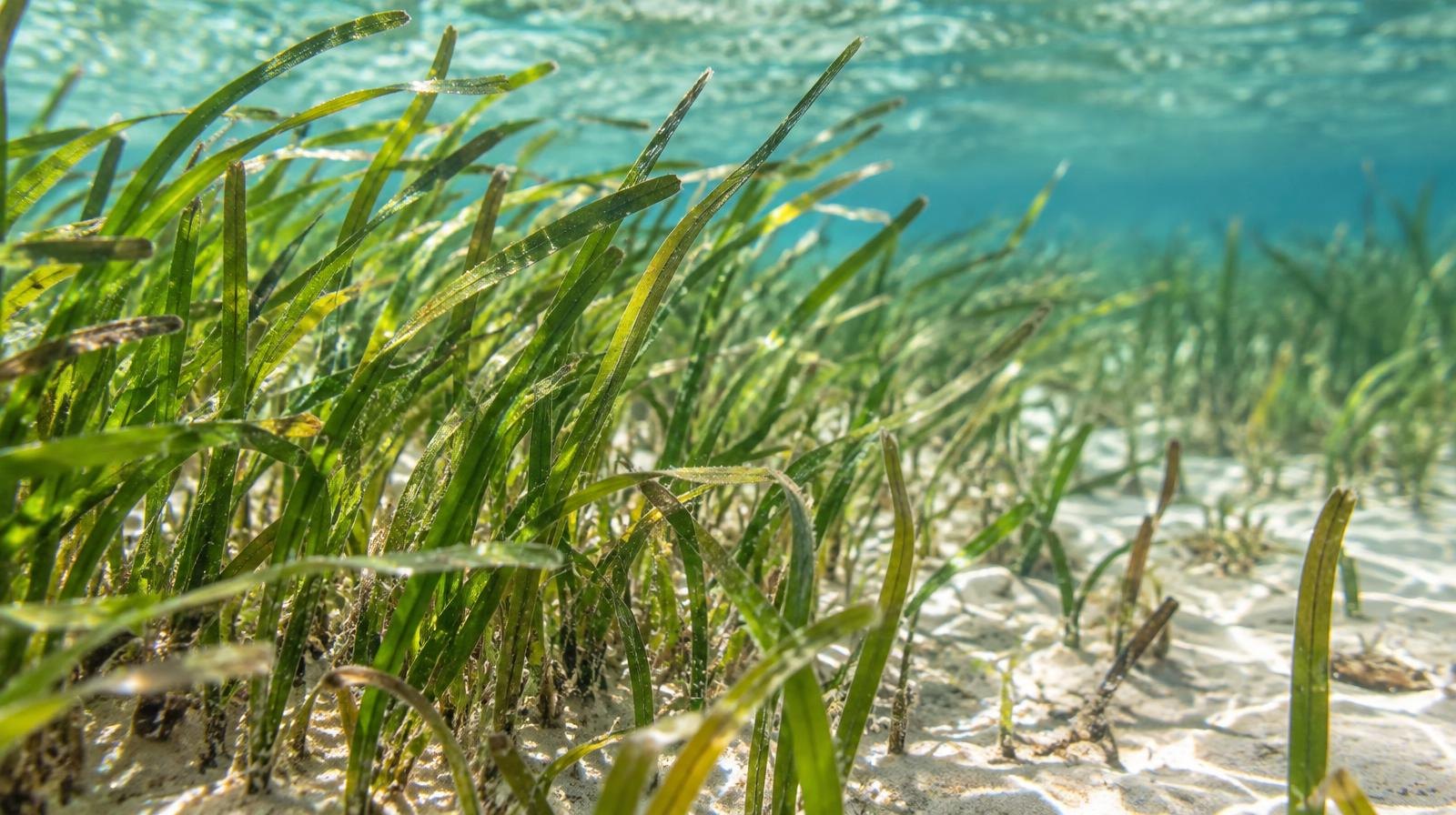
Bay scallops are filter feeders so sensitive to environmental changes that researchers call them "underwater canaries." Their numbers reflect seagrass health, water clarity, and overall ecosystem balance in the same waters off Apollo Beach and Ruskin.
"If there is an abundance of scallops, it can indicate that the ecosystem is in balance and that the seagrass beds are healthy and the water clarity is good," Serra Herndon, Tampa Bay Watch's habitat restoration director, told the Tampa Bay Beacons in a July 22 preview of the event.
The survey has run since 1993, making it Tampa Bay Watch's longest-running community monitoring program. Volunteer snorkelers and boaters fan out across Middle and Lower Tampa Bay, Boca Ciega Bay, and St. Joseph Sound to count live scallops at designated sites, including Emerson Point Preserve in Palmetto.
Recent population swings
The count has swung sharply in recent years. In 2024, volunteers tallied 263 scallops, the highest total in 15 years. But the 2025 search found just 43, according to The Gabber Newspaper. The all-time record remains 674, set in 2009. The all-time low was a single scallop in 2005.
Bay scallops vanished from Tampa Bay entirely in the early 1960s when pollution from dredging, industrial discharge, and municipal waste degraded the water. They returned as water quality and seagrass beds recovered.
This is not the first weather-related cancellation. Tampa Bay Watch also called off the search in 2021 due to red tide.
What's next
Tampa Bay Watch has not said whether the survey will be rescheduled in 2026 or whether this year will simply be a gap in the record. If no makeup date is set, the next opportunity to collect scallop population data would be the 32nd Annual Great Bay Scallop Search in summer 2027. Residents can check Tampa Bay Watch's scallop search page for updates.




.jpg)