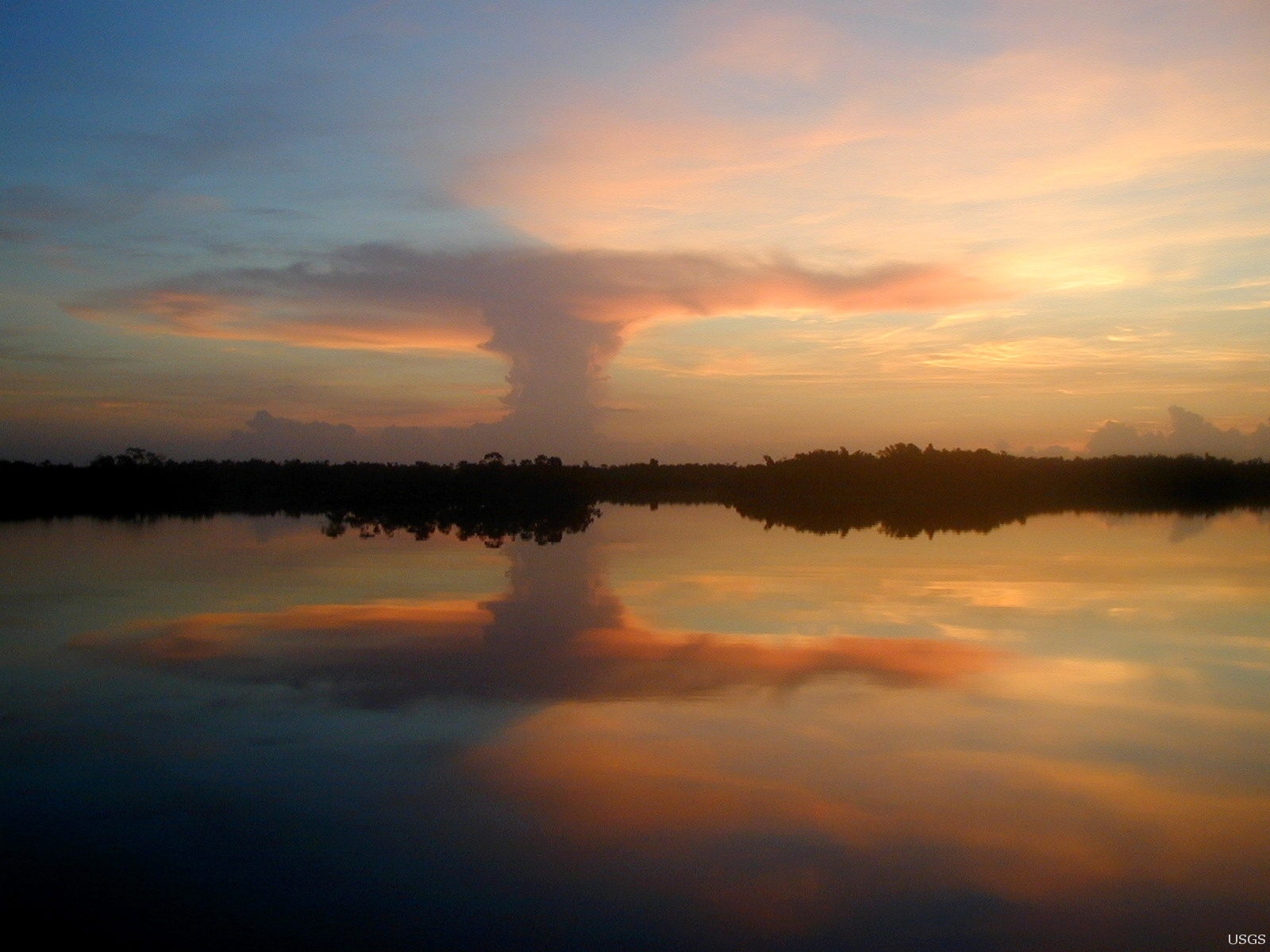
The residents who fish, kayak and walk along the mangrove-lined shores of Apollo Beach and Ruskin are collecting irreplaceable ecological data without realizing it, according to a University of Florida researcher.
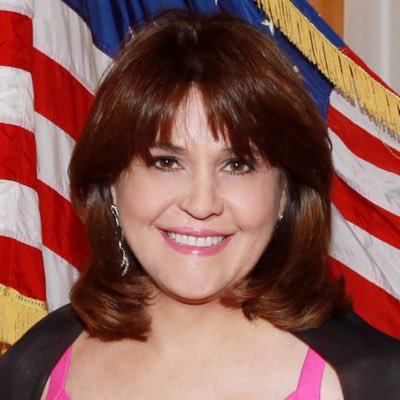
Stephanie Cadaval, urban forestry extension coordinator at the University of Florida Institute of Food and Agricultural Sciences, or UF/IFAS, made the case in a blog post and accompanying podcast episode published Wednesday, July 29, by UF/IFAS Extension Hillsborough County. Her argument: People who live alongside mangroves notice changes that formal scientific monitoring can miss.
"Don't discount the people who are there every day," Cadaval said when asked what her research means for Florida. Residents who fish, paddleboard, birdwatch or simply live near natural resources bring valuable observations to conservation conversations, she said.
Cadaval, who holds a doctorate in forest resources and conservation, grew up in Miami surrounded by mangrove forests. Her mother, raised on a farm in rural El Salvador, passed along generational knowledge about plants and their uses. That family connection eventually led Cadaval through environmental policy, education and Latin American studies before she focused on mangroves and community natural resource management.
What residents notice
Communities observe ecological changes over decades, Cadaval said in an interview with podcast host Alyssa Vinson, the urban forestry extension agent in Hillsborough County. Residents notice when flooding increases, when fish become harder to catch or when trees that stood for generations disappear. That amounts to data collection, even when no one calls it that.
Her master's research in a small island community in Costa Rica's Nicoya Gulf illustrated the point. There, women emerged as leaders in community-led mangrove restoration because they spent the most time harvesting shellfish in the forests and were the first to notice ecological decline. Residents collected mangrove propagules, grew seedlings and replanted degraded areas before nonprofits arrived with equipment and training.
Why it matters locally
The lesson lands close to home. Apollo Beach Nature Preserve, E.G. Simmons Conservation Park and Cockroach Bay Preserve all depend on healthy mangrove forests to buffer neighborhoods from storm surge. Studies show mangroves reduce wave energy by 66%, according to Hillsborough County's Conservation and Environmental Lands Management team.
In 2025, 250 red and black mangroves were planted at Apollo Beach Nature Preserve's northern side, with roughly a 75% survival rate, according to the HC Trailblazer blog. In August 2024, Tampa Electric partnered with Duke Energy, Coastal Conservation Association Florida and local governments to plant about 700 mangroves at two tidal-influenced sites using 40 volunteers.
Statewide, Florida holds an estimated 600,000 acres of mangrove forests that support fisheries for snook, snapper, tarpon, red drum and shrimp, according to the Florida Department of Environmental Protection. Hillsborough County is one of only seven entities in Florida with local authority over mangrove trimming under the 1996 Mangrove Trimming and Preservation Act, according to UF/IFAS.
Listening to the waterfront
Cadaval's core point applies to the waterfront neighborhoods here: Understanding what residents value about their shoreline, what changes they've observed and what connections they hold to these places can strengthen conservation beyond what scientific datasets alone provide. The full interview is available on the "Roots in the Sunshine" podcast on Apple Podcasts.
Upcoming community dates
- Thursday, Aug. 13 — New 50,000-square-foot Publix opens in Waterset
- Monday, Aug. 10 — Hillsborough County schools return for the 2026-27 year

.jpg)