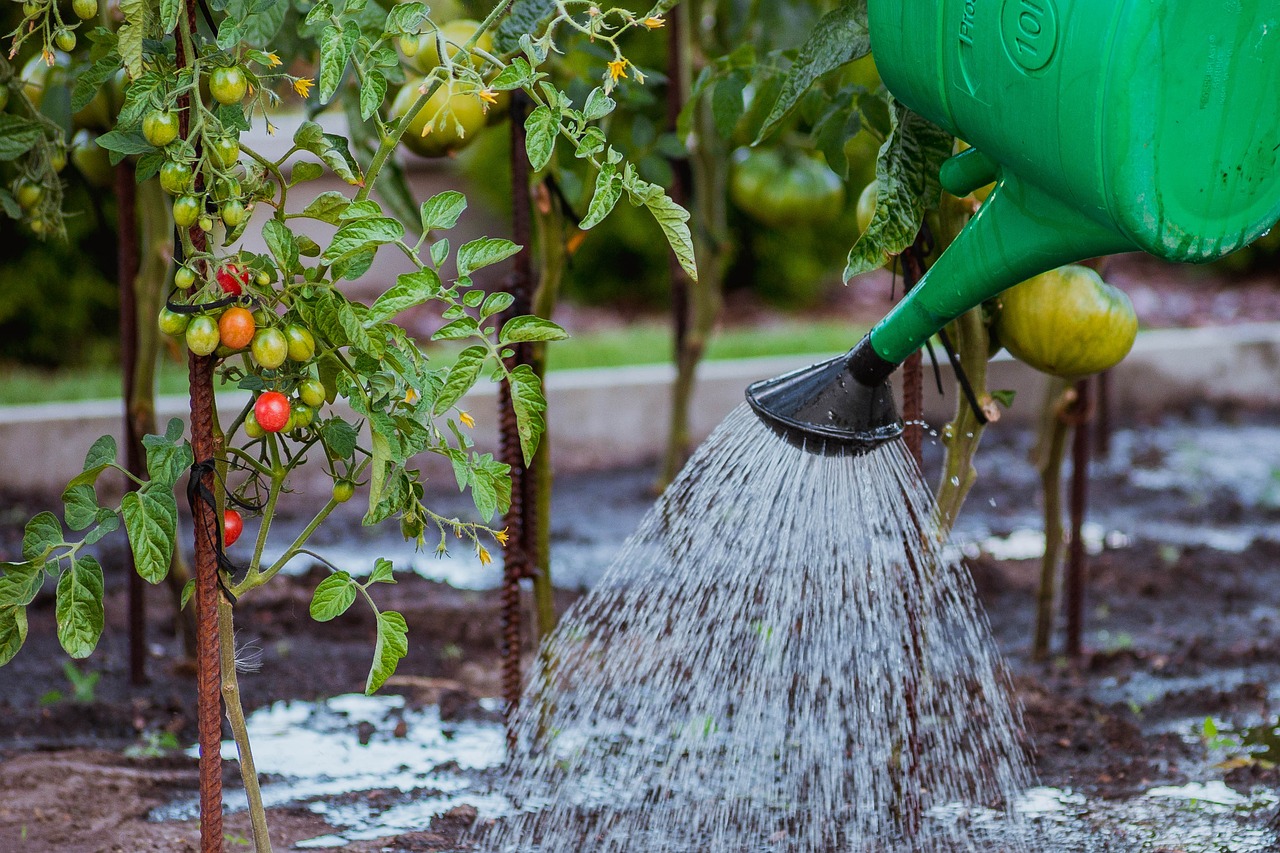
The afternoon thunderstorms rolling through Apollo Beach and Ruskin aren't enough to dig the region out of one of its worst droughts in 50 years. The once-a-week watering restrictions residents have lived under since spring will remain in place through at least Oct. 1.
New data from the Southwest Florida Water Management District shows the 12-month rainfall deficit across the region grew to 15 inches through June 2026, up from 13.7 inches when the district declared its Modified Phase III "extreme" water shortage in April. Water levels in rivers and lakes continue to decline, and the C.W. Bill Young Regional Reservoir held just 15% of its 15.5-billion-gallon capacity at the end of June, according to Your Observer.
The drought extends well beyond the Tampa Bay region. The St. Johns River Water Management District, which covers 18 counties in central and northeast Florida, is more than nine inches below average annual rainfall based on precipitation from August 2025 through July 2026, WUSF reported Aug. 22. July alone fell 1.5 inches short of the monthly average across that district.
Why summer rain isn't fixing it
Clay Coarsey, director of water supply planning and assessment for the St. Johns district, told WUSF the aquifer needs sustained inland rainfall soaking through sandy soils, not the quick coastal storms that evaporate before reaching groundwater.
"When you're that short on rainfall, it takes more than just a few afternoon thunderstorms … to be able to start to refill the aquifer," Coarsey said.
Warm summer temperatures make the problem worse. Plants and turf absorb much of the rain that does fall, releasing it back into the atmosphere through transpiration before it can percolate underground.
Tamera McBride, a hydrologic data manager with the Southwest Florida Water Management District, said July 29 that the region needs above-average rainfall on top of average rainfall just to break even. She noted that south of Interstate 4, where Apollo Beach and Ruskin sit, the aquifer has more confinement, meaning surface water takes longer to reach it.
What residents need to know
The Modified Phase III restrictions apply to all water users in unincorporated Hillsborough County, including those on private wells. The rules:
- One watering day per week, based on the last digit of your address: 0 or 1 = Monday; 2 or 3 = Tuesday; 4 or 5 = Wednesday; 6 or 7 = Thursday; 8 or 9 = Friday.
- Allowed hours: 12:01 a.m. to 4 a.m. or 8 p.m. to 11:59 p.m. Properties under one acre may use only one of those windows.
- Reclaimed water used for lawn and landscape irrigation is exempt.
Violations can result in citations starting at $100 from Hillsborough County Code Enforcement. Residents can report violations at (813) 224-8993 or online at hcfl.gov.
Betty Jo Tompkins, founder of the Florida Conservation Coalition and a board member of the Hillsborough County Soil and Water Conservation Board, warned in a July 26 Observer News article that the drought reaches beyond lawns: "You need water for crops, but you also need water to hydrate cattle, and it becomes a crisis for Florida."
Tampa Bay Water Chief Science Officer Warren Hogg said Aug. 7 that the region has been in drought since September 2025 and is 14.5 inches behind on rainfall for the year. The City of Tampa's water purchases surged from less than half a million gallons per day last fiscal year to more than 8 million gallons per day in 2026, according to WFLA.
The restrictions are set to expire Oct. 1. No governing board meeting to review that deadline has been announced.


.jpg)