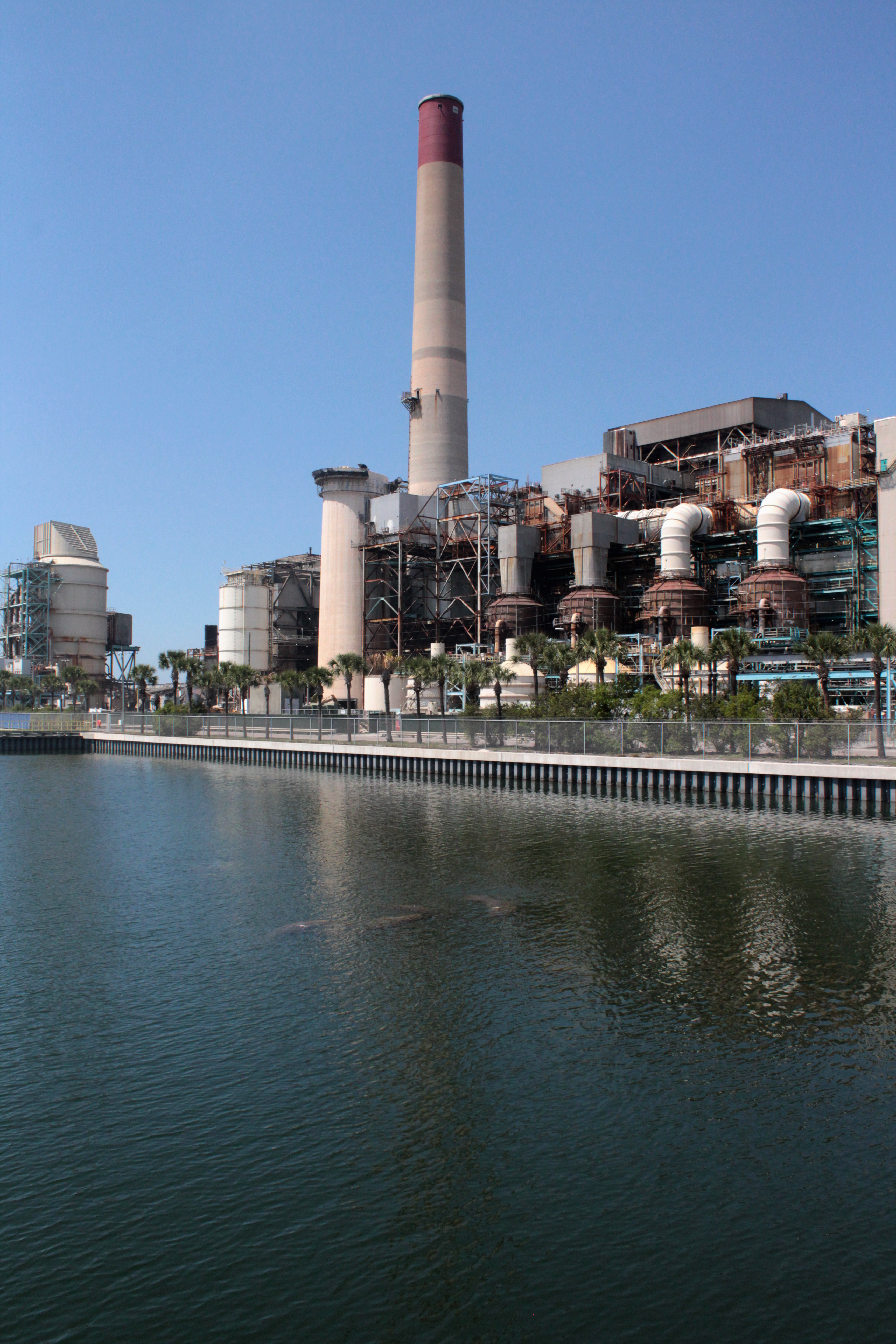
Tampa Electric Co. filed a rate plan Wednesday, Sept. 30, that would require large data centers and other major electricity users to pay costs associated with serving their increased power demand, including planned upgrades at the Big Bend facility in Apollo Beach.
The plan, first reported by the Tampa Bay Times, is designed to shield the utility's roughly 870,000 customers from costs associated with new large-load customers.
It would create a new electricity rate for customers with an anticipated monthly peak demand of at least 50 megawatts at a single location and require those customers to enter long-term service agreements.
Customers that end their contracts early could face termination charges intended to prevent remaining ratepayers from absorbing costs incurred to serve projects that leave or fail to materialize.
Data centers would pay for new generation and grid upgrades
Tampa Electric CEO Archie Collins told the Tampa Bay Times the proposal meets the requirements of Florida's new data center law "100%" because large-load customers would cover the costs of infrastructure needed to serve them.
Those expenses could include renovations at the Big Bend power generation complex in Apollo Beach and additional battery storage needed to accommodate increased electricity demand.
Collins said Tampa Electric would not allow data center growth to compromise reliability or affordability for existing customers.
Florida law requires large-load customers to pay their full cost of service, including connection expenses, incremental transmission and generation costs, infrastructure expenses and operations and maintenance costs. It also prohibits utilities from shifting the risk of nonpayment to their general customer base.
Gov. Ron DeSantis signed the legislation, SB 484, in May. The law required public utilities to submit compliant tariffs to the Florida Public Service Commission by Oct. 1.
The PSC must approve Tampa Electric's proposed tariff before it can take effect.
Utilities face scrutiny over who pays for data center growth
How utilities assign the costs of serving data centers has become a significant issue as the facilities' enormous electricity demands prompt utilities to consider new generation and transmission investments.
Consumer advocates have raised concerns about whether some utility proposals adequately protect residential and small-business customers from those costs.
Duke Energy Florida was among the utilities to submit a large-load proposal. Critics, including Florida Rising, have questioned whether Duke's approach adequately accounts for incremental generation costs associated with serving new large-load customers.
Tampa Electric's proposal, by contrast, includes charges intended to assign incremental generation costs directly to the large-load customers creating the additional demand.
Florida's new law specifically requires utilities to account for those costs. It authorizes tariffs to include incremental generation charges, financial guarantees, minimum demand charges, minimum service periods and early termination fees, among other protections.
Tampa Electric reports intense interest from data center developers
Collins told the Tampa Bay Times that companies have contacted Tampa Electric so frequently since late 2024 that the utility created a department to handle large-load inquiries. The utility enters nondisclosure agreements with serious prospects and charges a fee to study their electricity requirements.
Tampa Electric also published a pledge on its website stating that existing customers will not bear the costs or financial risks associated with serving new large-energy users.
As we reported Tuesday, Sept. 29, Tampa Electric customers already face some of the highest residential electricity bills in the country.
Hillsborough County has separately considered restrictions on large-scale data center development.
The Florida Public Service Commission will review Tampa Electric's proposed rate structure to determine whether it meets state requirements designed to prevent the costs of serving data centers and other large-load customers from being shifted to existing ratepayers.



.jpg)