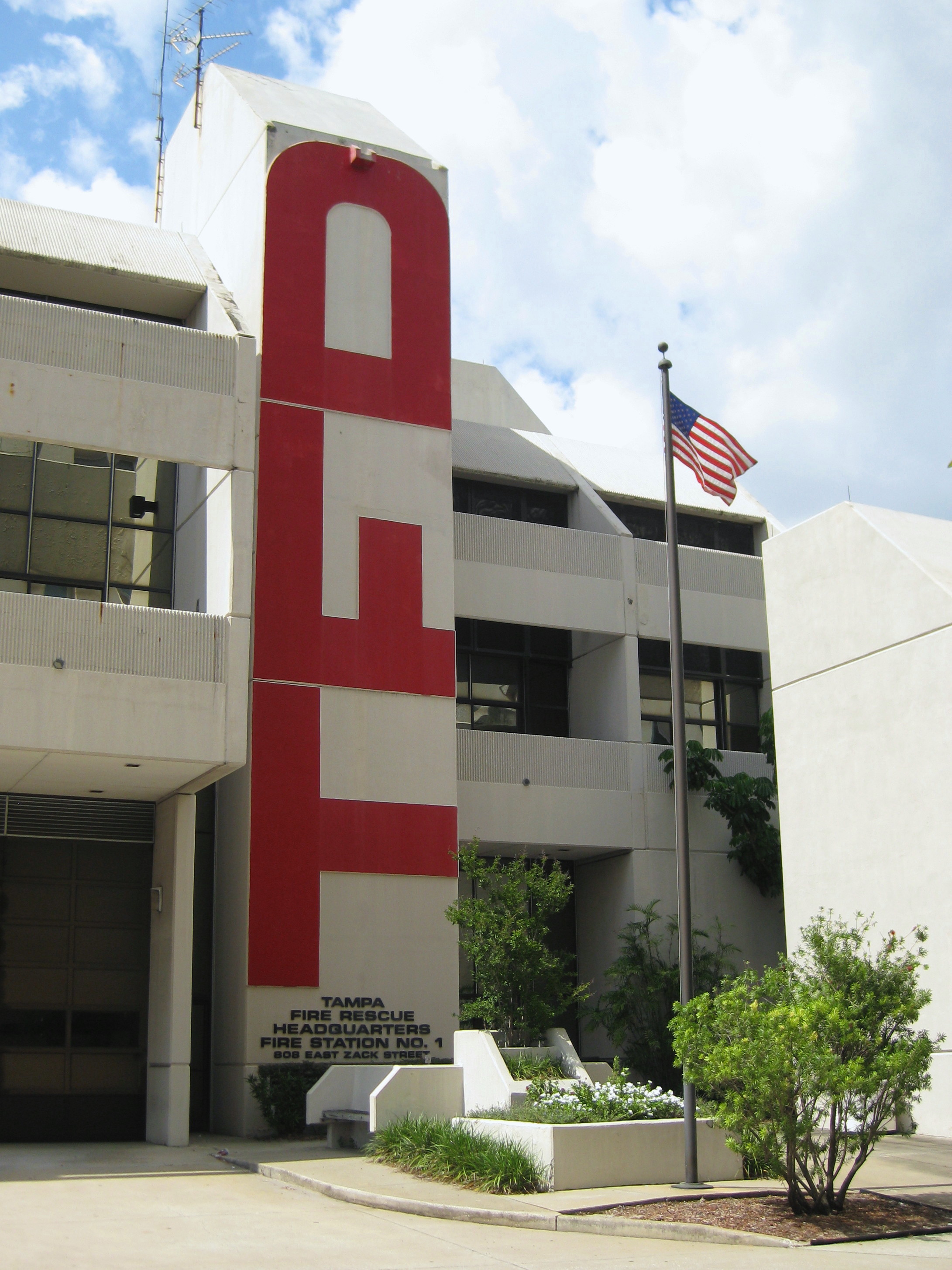
Drones loaded with whole blood fly from two Hillsborough County fire stations to reach trauma patients in about 3½ minutes.
Hillsborough County Fire Rescue launched what it calls the nation's first emergency drone program for whole blood delivery, as first reported by Tampa Bay 28. The drones operate from Fire Station 9 near Faulkenburg Road and Sabal Park and Fire Station 37 in Riverview.
Two stations cover 70 square miles
Both stations' service areas stretch from interstates 4 and 75 south to just below Gibsonton Drive. Together they cover 70 square miles of unincorporated Hillsborough County. Fire Rescue's goal is to eventually expand the program across all 900 square miles of the county, which would bring drone blood delivery to Apollo Beach and Ruskin.
Fire Rescue partnered with Tampa General Hospital, blood supplier OneBlood, Archer First Response Systems and the University of South Florida's Morsani College of Medicine to build the program. Archer First Response Systems, a Sarasota-based drone company, runs the flights from its operations center.
How the drone delivers blood
At each station, the drone sits inside a climate-controlled container preloaded with blood. Gordon Folkes, founder and CEO of Archer, said the aircraft is "ready for deployment at a moment's notice." Once airborne, the drone hovers at about 197 feet and lowers the blood to the ground on a tether line.
That speed matters. Once a paramedic determines a patient needs blood, the transfusion can begin in roughly 3½ minutes, according to Division Chief Todd Carnell of Fire Rescue's Rescue Division. Without the drone, patients could wait 10 to 15 minutes just to reach a hospital, Dr. David Wein of Tampa General Hospital said in an Aug. 4 report by WFLA.
Why officials chose these service areas
Whole blood contains red blood cells, plasma and platelets, allowing a single transfusion to replace what a bleeding patient is losing. Officials said the areas around stations 9 and 37 were chosen because they have the county's highest volume of penetrating trauma and severe bleeding injuries, WUSF reported when the program was announced in August.
"The problem that I saw — you know we have a 900-square-mile county and how can we get blood to the most amount of people — blood is a precious commodity; we don't want to waste it," Carnell said.
No timeline for the countywide expansion has been announced. Residents who witness a traumatic injury should call 911; dispatchers can request a drone launch as part of the emergency response.



.jpg)